On August 10, 2026, YouTube announced that it would double the watch-hour and Shorts-view requirements for new creators seeking advertising and YouTube Premium revenue sharing. The updated YouTube Partner Program (YPP) requirements are set to take effect on February 1, 2027.
However, this does not mean that the 2027 monetization updates will automatically affect channels already enrolled in the YouTube Partner Program. Existing partners should still understand the new rules regarding Shorts earnings and channel activity requirements and confirm that they have reviewed the updated terms by January 31, 2027.
YouTube has become more than a platform for sharing videos. For entrepreneurs, executives, creators, and personal brands, it is an opportunity to build authority, reach new audiences, and create additional revenue streams. But growing a successful YouTube channel takes more than uploading a few videos and waiting for views to roll in.
You need a content strategy, consistent publishing, audience engagement, and a clear understanding of YouTube’s monetization policies.
If you have a busy schedule, managing all these activities yourself can quickly become overwhelming. That’s where a YouTube automation agency like NGW can help. From content planning and production to publishing and channel management, the right team can help you maintain a consistent YouTube presence while you focus on running your business.
But before you start building your channel, let’s explore the YouTube monetization requirements for 2027 and analyse how, as a new creator, you can qualify for YPP.
Let’s break down the subscriber requirements, watch hours, Shorts views, and policy changes you need to know.
YouTube Monetization Requirements2027 Details
YouTube has updated its YouTube Partner Program (YPP) requirements for creators seeking advertising and YouTube Premium revenue. Starting February 1, 2027, new applicants will need to meet higher eligibility points.
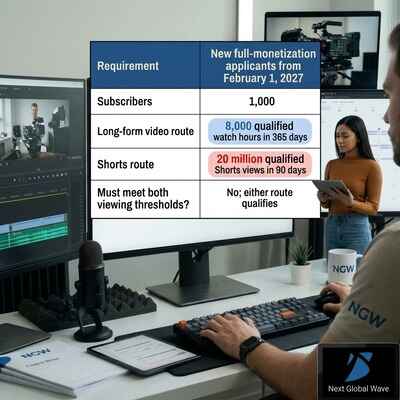
According to YouTube’s official announcement, the new requirements are:
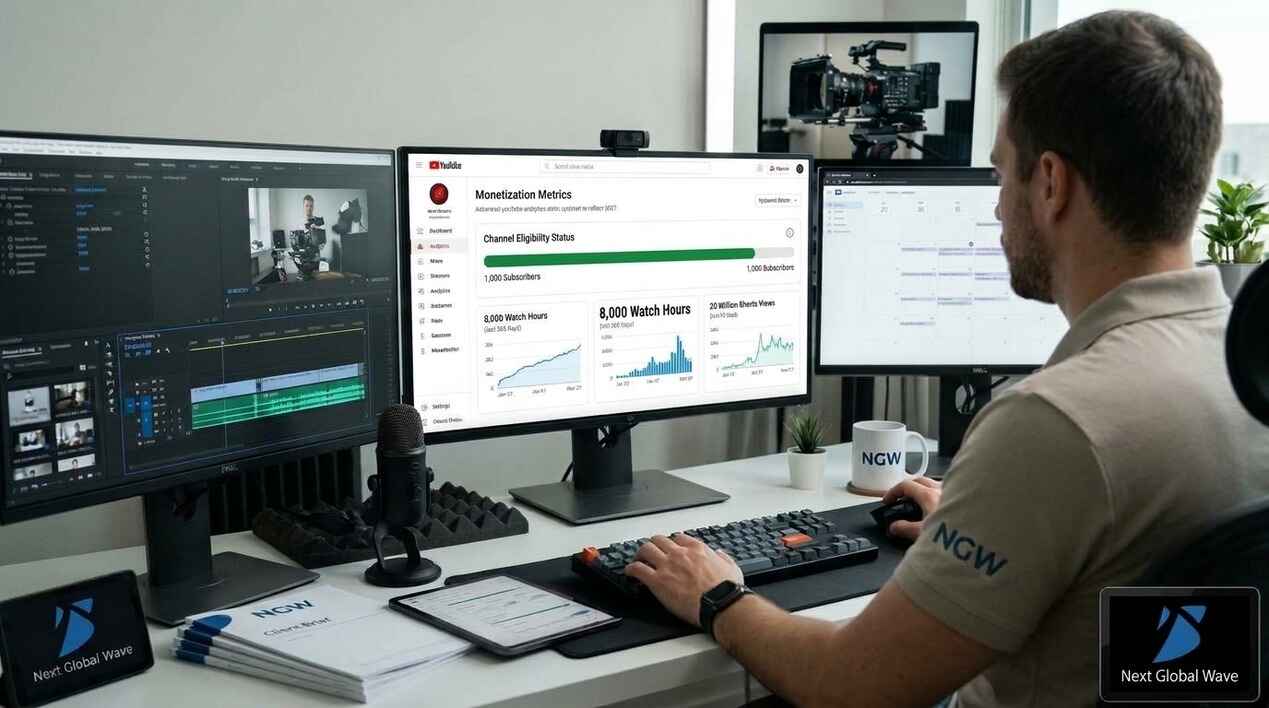
- 1,000 subscribers on your YouTube channel.
- 8,000 qualified watch hours from eligible content during the previous 365 days, or
- 20 million qualified Shorts views during the previous 90 days.
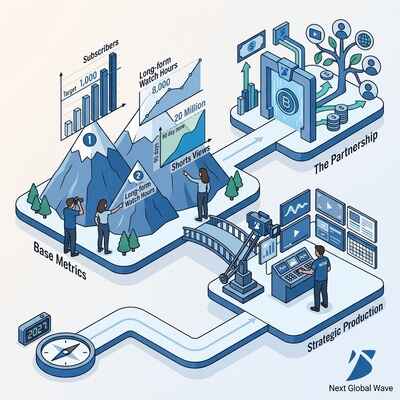
You need to meet the subscriber requirement and either the watch-hour or Shorts-view threshold. You don’t need to meet both viewing requirements.
However, reaching these numbers doesn’t automatically guarantee monetization. Your channel must also comply with YouTube’s monetization policies and pass the platform’s review process.
For business owners and executives, these requirements highlight why a structured content strategy matters. Building a channel around valuable, relevant content can help you attract the right audience and work toward monetization without turning YouTube management into another full-time responsibility.
How Many Subscribers Do You Need to Get Monetized?
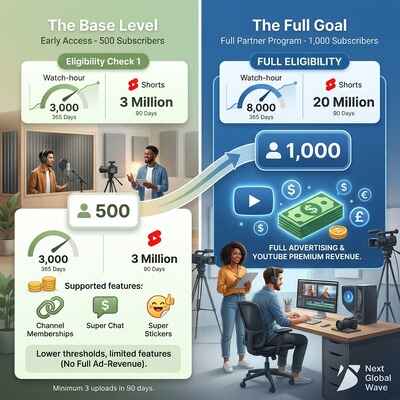
Following new updates, creators need at least 1,000 subscribers to qualify for full advertising and YouTube Premium revenue sharing.
However, subscribers are only one part of the eligibility criteria. You must also achieve either 8,000 qualified watch hours in 365 days or 20 million qualified Shorts views in 90 days.
For example, imagine you have 1,500 subscribers but only 2,000 qualified watch hours and 100,000 Shorts views. Your channel would not meet the new full-ad-monetization thresholds.
Now imagine you have 1,200 subscribers and 8,200 qualified watch hours from eligible public long-form videos within the previous 365 days. You could meet the numerical eligibility requirements, provided your channel also satisfies YouTube’s other conditions and passes review.
Can You Monetize YouTube With 500 Subscribers?
Certainly, you may qualify for certain features through YouTube’s expanded Partner Program before reaching 1,000 subscribers.
Eligible creators can access features such as channel memberships, Super Chat, Super Stickers, and other supported earning opportunities after meeting the applicable requirements. These include 500 subscribers, at least three valid public uploads in the previous 90 days, and either 3,000 qualified watch hours in the previous 365 days or 3 million qualified Shorts views in the previous 90 days.
These lower thresholds do not unlock full advertising revenue sharing. Eligibility also depends on country availability and the specific feature’s requirements.
How Many Watch Hours or Shorts Views Are Required?
This is one of the most important questions for creators planning their YouTube growth strategy in 2027.
The answer depends on the type of content you publish.
How Do You Reach 8,000 Watch Hours?
Eight thousand watch hours might sound intimidating, especially if you’re starting a channel from scratch. However, the target becomes easier to understand when you break it down.
Eight thousand hours equals 480,000 minutes of watch time. If viewers watch your videos for an average of five minutes, you would need approximately 96,000 qualifying views to generate that amount of watch time.
This is an illustration, not a guarantee of how many views your channel will need. Actual results depend on average viewing duration, audience retention, and whether the watch time qualifies under YouTube’s rules.
To work toward the target, focus on:
- Creating videos that answer questions your target audience is already asking.
- Developing engaging introductions that encourage viewers to keep watching.
- Organizing videos into playlists to help viewers discover related content.
- Publishing consistently so your audience has a reason to return.
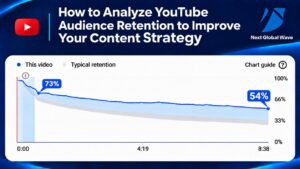
- Reviewing audience-retention data to identify where viewers lose interest.
For executives and entrepreneurs, long-form videos can also be an effective way to share industry expertise, explain complex topics, and establish authority in a niche.
How Many Shorts Views Do You Need to Get Monetized in 2027?
YouTube is becoming more competitive for new creators. Because new applicants for YPP will need 20 million qualified Shorts views within the past 90 days, that means a more focused content strategy. It also requires 1,000 subscribers to qualify for full advertising and YouTube Premium revenue sharing through the Shorts route.
That’s a significant target. It means creators need more than occasional viral videos; they need a repeatable approach to producing Shorts that attract and retain viewers.
For example, a business executive could turn a longer interview, presentation, or expert discussion into several short, useful videos. A personal brand could use Shorts to share quick industry insights, answer common questions, or highlight key lessons from longer videos.
The objective is not simply to publish more content. It is to produce content that gives viewers a reason to watch, engage, and explore the channel.
This is where a YouTube automation agency can be useful. A team can help develop content ideas, repurpose longer videos, manage production, and maintain a publishing schedule. However, no agency can guarantee that videos will achieve the views required for monetization.
What Changed in YouTube Monetization Rules for 2027?
The most important change is the higher entry threshold for new creators seeking full advertising and YouTube Premium revenue sharing.
Previously, the standard threshold was 1,000 subscribers plus either 4,000 valid public watch hours in the previous 12 months or 10 million valid public Shorts views in the previous 90 days.
From February 1, 2027, the new entry thresholds will be 1,000 subscribers plus either 8,000 qualified watch hours in the previous 365 days or 20 million qualified Shorts views in the previous 90 days.
YouTube is also introducing changes to Shorts revenue sharing. Creators will need to maintain 10 million qualified Shorts views over the previous 90 days to earn monthly advertising and YouTube Premium revenue from the Shorts Creator Pool under the new rules.
These are two separate thresholds:
- 20 million Shorts views: The new Shorts-based entry route for new applicants seeking full ad and Premium revenue sharing.
- 10 million Shorts views: The ongoing monthly threshold for Shorts Creator Pool revenue sharing under the updated rules.
Understanding this distinction is essential because qualifying for the Partner Program and qualifying for Shorts revenue sharing in a particular month are not the same thing.
Are Existing Monetized Channels Affected?
If your channel is already part of the YouTube Partner Program, you don’t need to meet the new 8,000-hour or 20-million-view entry thresholds simply to retain your existing YPP status.
YouTube has stated that the higher entry requirements apply to new applicants and will not automatically remove existing partners from the program.
However, creators who earn from Shorts need to pay attention to the new monthly Shorts-view threshold. If their qualified Shorts views fall below 10 million in the previous 90 days, they will lose access to Shorts Creator Pool advertising and Premium revenue sharing for the affected period. They can remain in YPP and continue earning through eligible long-form content and other available revenue streams.
Creators must also review and accept the applicable updated monetization terms in YouTube Studio by January 31, 2027, to continue earning through the associated features.
If you manage a business or personal-brand channel, it is worth reviewing your monetization status and content performance before the new rules take effect.
How Does YouTube Count Revenue for YouTube Shorts?
YouTube uses a system called the Shorts Creator Pool to calculate and distribute advertising revenue generated from ads shown between videos in the Shorts Feed. YouTube Premium revenue also contributes to creator earnings.
Let’s break down how the Shorts Creator Pool works and how YouTube calculates the revenue creators receive.
1. How Does the Shorts Creator Pool Work?
YouTube pools the revenue generated from advertisements displayed between videos in the Shorts Feed, along with the relevant contribution from YouTube Premium. Before revenue is allocated to creators, YouTube accounts for music licensing costs associated with the use of music in Shorts.
The amount allocated to music rights holders depends on how many music tracks a Short uses. For example:
- No music tracks: All the revenue associated with those views goes into the Creator Pool.
- One music track: Half of the associated revenue goes toward music licensing, while the other half goes into the Creator Pool.
- Two music tracks: One-third of the associated revenue goes into the Creator Pool, while two-thirds goes toward music licensing.
These percentages illustrate how YouTube’s music licensing allocation works. The exact calculation depends on YouTube’s revenue allocation rules.
2. How Does YouTube Allocate Revenue Based on Views?
YouTube calculates each monetizing creator’s share based on their proportion of eligible engaged Shorts views in each country. It then allocates the corresponding percentage of that country’s Creator Pool to the creator.
For example, if your Shorts account for 5% of the eligible engaged views among monetizing creators in a particular country, you may be allocated 5% of the Creator Pool revenue available for distribution to creators in that market, subject to YouTube’s applicable calculation rules.
This means your earnings depend on more than your total view count. Your share of eligible views, the revenue generated in each country, and other applicable factors can all influence how much you earn.
3. How Much Revenue Do YouTube Shorts Creators Receive?
YouTube pays monetizing creators 45% of their allocated share of the Shorts Creator Pool, while YouTube retains the remaining 55% of the revenue allocated to creators’ share.
For example, if your allocated share of the Creator Pool is $1,000, your revenue share would be $450.
This calculation applies to your allocated share, not to the entire advertising revenue generated across the Shorts Feed.
4. How Can You Become Eligible for Shorts Revenue Sharing?
To earn advertising revenue from YouTube Shorts, you must join the YouTube Partner Program, meet the applicable eligibility requirements, and accept the Shorts Monetization Module.
You must also comply with YouTube’s monetization policies and pass the channel review process.
Meeting the eligibility thresholds alone does not guarantee approval or earnings. Once you’re accepted into the program and have accepted the relevant monetization terms, you can begin earning eligible Shorts revenue according to YouTube’s policies.
What Counts as Qualified Watch Hours and Shorts Views?
Not every view or minute watched contributes toward YouTube monetization eligibility. Understanding the difference can save you time and prevent misunderstandings about your channel’s progress.
Qualified watch hours
Qualified watch hours generally come from eligible public long-form videos. Under YouTube’s published guidance, watch time from private, unlisted, or deleted videos, ad campaigns, and Shorts views in the Shorts Feed does not count toward the relevant watch-hour threshold.
Livestream watch time also has restrictions. Streams that are unlisted, deleted, or not converted into video on demand do not count toward the threshold.
Qualified Shorts views
Qualified Shorts views come from eligible public Shorts appearing in the Shorts Feed. Views from private, unlisted, or deleted Shorts, ad campaigns, and image posts appearing in the Shorts Feed do not count toward the relevant threshold.
This is why buying views or running advertising campaigns is not a reliable shortcut to meeting monetization eligibility requirements. The focus should be on attracting genuine viewers through eligible content.
You can monitor your progress through the Earn section in YouTube Studio.
How to Apply for YouTube Monetization in 2027
Once your channel meets the applicable requirements, you can apply for the YouTube Partner Program through YouTube Studio.
The process generally involves the following steps:
- Check your eligibility. Open YouTube Studio and select the Earn tab to review your channel’s progress.
- Review YouTube’s policies. Make sure your content complies with the channel monetization policies and applicable copyright rules.
- Enable the required security features. You need two-step verification and access to YouTube’s advanced features.
- Link an AdSense for YouTube account. Follow the official instructions in YouTube Studio if you need to create or connect an account.
- Accept the relevant terms and submit your application. Complete the steps displayed in the Earn section.
- Wait for the channel review. YouTube evaluates your channel to determine whether it meets the Partner Program requirements.
Reaching the numerical thresholds is only the beginning. Your channel must still satisfy YouTube’s policies and receive approval.
Why YouTube Monetization Applications Get Rejected
A channel can reach the subscriber and viewing thresholds and still be rejected during review.
Common reasons include:
- Reused content that lacks sufficient original commentary, meaningful transformation, or added value.
- Repetitive or mass-produced videos that fail to provide meaningful value to viewers.
- Copyright problems involving music, footage, or other protected material.
- Violations of YouTube’s channel monetization policies.
- Other eligibility issues, including active Community Guidelines strikes.
Automation itself does not automatically make a channel ineligible for monetization. The issue is whether the resulting content complies with YouTube’s policies.
For example, repurposing an interview into Shorts can be a legitimate content strategy when the resulting videos are appropriately edited and provide value. Simply uploading large quantities of repetitive or minimally transformed material, however, can create monetization risks.
A sustainable YouTube strategy prioritizes original ideas, useful information, appropriate rights management, and a recognizable brand identity.
Can You Monetize YouTube Shorts in 2027?
Yes. YouTube Shorts remains a monetization opportunity, but creators need to understand the distinction between joining YPP and earning monthly Shorts revenue.
For new applicants starting February 1, 2027, the Shorts-based route to full advertising and YouTube Premium revenue sharing requires 20 million qualified Shorts views in three months.
Though it sounds outlandish, short-form content can still play a valuable role in building a brand. Shorts can introduce new viewers to your expertise, direct them toward longer videos, and help you test which topics resonate with your audience.
At nextglobalwave.com, we recommend Shorts as part of a broader content strategy rather than treating every video as an isolated attempt to go viral.
How to Earn Money on YouTube Beyond Ad Revenue
Advertising revenue is only one way to generate value from a YouTube channel.
Depending on your eligibility, audience, and business model, you may also explore:
- Channel memberships: Offer eligible viewers paid membership benefits.
- Super Chat and Super Stickers: Allow viewers to support you during eligible livestreams and premieres.
- YouTube Shopping: Promote eligible products and use supported shopping features.
- Brand partnerships and sponsorships: Collaborate with businesses whose products or services align with your audience.
- Affiliate marketing: Earn commissions through eligible affiliate arrangements.
- Your own products and services: Use YouTube to generate interest in consulting, courses, software, or other business offerings.
For executives and entrepreneurs, the value of YouTube may extend beyond direct platform earnings. A well-managed channel can support brand awareness, establish thought leadership, build trust, and generate qualified leads.
That is why a channel should be designed around business objectives as well as monetization eligibility.
How NGW Can Help You Grow Your YouTube Channel Without Managing Everything Yourself
Running a YouTube channel involves far more than recording videos. You need to research topics, plan content, develop scripts, coordinate production, edit videos, create thumbnails, optimize metadata, publish consistently, and monitor performance.
For busy executives, entrepreneurs, and creators, these responsibilities can compete with the work that matters most to their businesses.
NGW can help by taking on the operational work involved in building and managing a YouTube presence. With a structured automation workflow, you can focus on sharing your expertise and making strategic decisions while our YouTube content team helps turn ideas into published videos.
Our YouTube automation strategy may include:
- Researching audience interests and content opportunities.
- Planning a consistent publishing calendar.
- Developing scripts and video concepts aligned with your brand.
- Coordinating video production and editing.
- Creating titles, descriptions, and thumbnails.
- Repurposing long-form content into Shorts where appropriate.
- Monitoring performance and identifying opportunities to improve.
The goal is not to publish content simply for the sake of being active. It is to build a consistent, recognizable channel that supports your brand and business objectives. At NextGlobalWave, we have developed a YouTube Automation workflow to accelerate subscriber counts, qualified watch hours, and qualified Shorts views for busy creators like executives and entrepreneurs.
We help businesses to build a YouTube presence without managing every detail yourself, NGW can help you develop a more consistent and organized YouTube content Strategy. For more information, let’s have a free YouTube content strategy call today.